

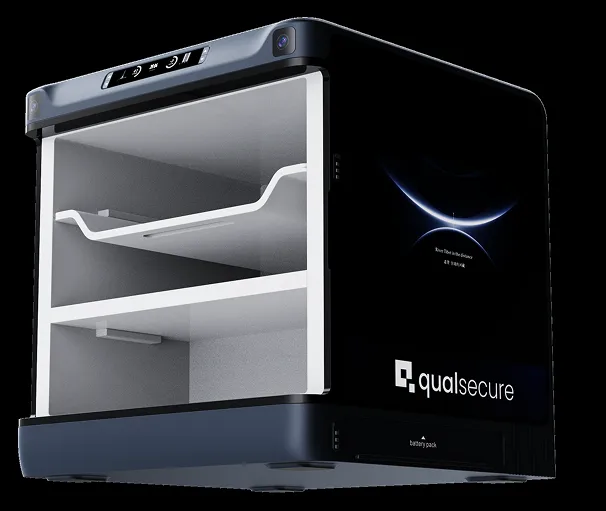
Frozen food is no longer a niche category in India. What was once limited to frozen peas and ice cream has expanded into a diverse market that includes ready-to-cook meals, frozen snacks, seafood, meat products, desserts, and plant-based alternatives. As urban lifestyles become busier and consumers increasingly prioritize convenience, the demand for frozen food products continues to grow across the country.
While manufacturers and retailers have invested heavily in cold storage and distribution infrastructure, one challenge remains difficult to solve: maintaining product quality during the final stage of delivery. This is where Temperature Controlled Box Frozen Food Delivery solutions are gaining attention, helping businesses protect frozen products until they reach consumers.
Why Frozen Foods Are Growing in Popularity
Several factors are contributing to the expansion of India’s frozen food market. Consumers are looking for products that save time without sacrificing convenience or variety. Modern retail channels and online grocery platforms have also made frozen foods more accessible than ever before.
Key growth drivers include:
-
Busy urban lifestyles
-
Increased demand for convenience foods
-
Expansion of online grocery shopping
-
Growth of quick-commerce services
-
Wider product availability
As frozen food consumption increases, businesses must ensure that products maintain their intended quality throughout the entire supply chain.
The Last-Mile Delivery Challenge
Maintaining frozen temperatures within warehouses and distribution centers is relatively straightforward because these facilities are designed specifically for cold storage. However, the final delivery stage presents a unique set of challenges.
Products often travel through:
-
Traffic congestion
-
High outdoor temperatures
-
Multiple delivery stops
-
Variable delivery routes
-
Customer scheduling delays
Even short periods of temperature exposure can affect frozen products. While the food may still be safe to consume, changes in texture, appearance, and freshness can impact the customer experience.
For frozen food brands, protecting quality during last-mile delivery has become a major priority.
Why Traditional Delivery Methods Are Often Insufficient
Many delivery providers continue to rely on insulated bags or basic cooling solutions. While these methods may work for short trips, they can struggle to maintain consistent conditions for frozen products over longer delivery periods.
Common limitations include:
-
Inconsistent temperature retention
-
Limited protection during peak summer months
-
Reduced effectiveness during multi-order deliveries
-
Difficulty handling different product categories simultaneously
As consumer expectations continue to rise, businesses are looking for more reliable ways to support frozen food transportation.
The Business Impact of Poor Temperature Management
When frozen products arrive in poor condition, the consequences extend beyond a single delivery. Customer dissatisfaction can affect brand reputation, increase operational costs, and reduce repeat purchases.
Businesses may face:
-
Product replacements
-
Refund requests
-
Negative reviews
-
Increased customer service costs
-
Loss of customer trust
For companies operating in a competitive frozen food market, maintaining product quality during delivery can directly influence long-term growth and profitability.
Supporting Multi-Temperature Deliveries
Today’s delivery networks often transport a combination of frozen, chilled, and ambient products within the same route. Managing these different requirements efficiently is becoming increasingly important.
A Dual Climate Delivery Box can help support deliveries involving products that require separate temperature conditions. This flexibility is particularly valuable for quick-commerce providers, grocery platforms, and food retailers that offer a wide variety of products through a single delivery network.
As product selections continue to expand, solutions that accommodate multiple temperature requirements are becoming more relevant across the industry.
Opportunities for Retailers and Delivery Platforms
The continued growth of frozen food presents significant opportunities for retailers, manufacturers, and delivery providers. However, success depends on more than product availability alone.
Businesses that invest in stronger delivery infrastructure may benefit from:
-
Improved customer satisfaction
-
Better product quality preservation
-
Reduced product losses
-
Stronger customer loyalty
-
Enhanced brand reputation
As competition increases, reliable delivery performance can become an important competitive advantage.
Conclusion
India’s frozen food market is entering a period of rapid growth, driven by changing consumer preferences and the expansion of online retail channels. While cold storage and distribution systems have improved significantly, the final delivery stage remains a critical challenge. Protecting frozen products during transportation is essential for maintaining quality and meeting customer expectations. As the market continues to evolve, delivery solutions designed for temperature-sensitive products will play an increasingly important role in supporting growth, reducing losses, and strengthening consumer confidence in frozen food purchases.
